

Men's Suit Knowledge Base
The BDtailormade Guide
Men’s Suit Knowledge Base: Fit, Fabrics, Styles & Custom Tailoring
Everything you need to choose, wear, and understand men’s suits — from fabric and fit to wedding attire and made-to-measure tailoring.
Buying a suit becomes much easier when you understand what you are looking at.
What is the difference between tweed and worsted wool? How should a waistcoat fit? Should you wear a two-piece or three-piece suit to a wedding? What does made-to-measure actually mean? Is linen appropriate for a formal event? How do you measure yourself when ordering a suit online?
The BDtailormade Men’s Suit Knowledge Base brings those answers together in one place.
Whether you are buying your first suit, preparing for a wedding, building a professional wardrobe, or looking for something more distinctive than traditional business tailoring, use this guide as your starting point.
1. Suit Fit & Measurements
How Should a Suit Fit?
A well-fitted suit should follow your natural proportions without excessive pulling, sagging, or restriction.
The shoulders are the first area to check. The jacket shoulder should sit close to the natural edge of your shoulder rather than extending beyond it or pulling inward.
The jacket should close comfortably without creating a strong X-shaped crease around the button. The lapels should rest relatively flat against the chest, and the collar should sit close to the shirt collar.
Suit trousers should remain comfortable through the waist, seat, and thighs while falling cleanly toward the shoes.
A tailored fit does not mean an extremely tight fit.
You should still be able to sit, walk, reach, and move naturally.
How Should a Waistcoat Fit?
A waistcoat should sit close to the torso without pulling at the buttons.
Most importantly, it should be long enough to cover the trouser waistband.
A visible strip of shirt between the waistcoat and trousers usually interrupts the clean line of a three-piece suit.
The waistcoat should also remain polished when the jacket is removed, which is one reason fit matters particularly for weddings and long events.
How Should Suit Trousers Fit?
Suit trousers should sit securely at the waist without requiring excessive belt tension.
There should be enough room through the seat and thighs for comfortable movement.
The trouser leg may taper, but it should not cling tightly to the calf or remain caught after you sit down.
Trouser length depends on the intended style. Some men prefer little or no break, while others prefer a slight traditional break over the shoe.
Always evaluate trouser length while wearing the shoes you intend to use with the suit.
Standard Size or Custom Measurements?
Both can work.
Standard sizing is useful when your body proportions already correspond well with established jacket, waistcoat, and trouser sizes.
At BDtailormade, standard jacket and waistcoat sizing begins with your chest measurement, followed by an appropriate Short, Regular, or Long length.
Custom measurements may be more useful when:
- Your jacket and trouser proportions differ significantly.
- You require an unusual sleeve length.
- You have broader shoulders with a narrower waist.
- You need additional room through the stomach or thighs.
- Standard waistcoats regularly fit poorly.
- You have a specific personal fit preference.
How Do You Measure Yourself for a Suit?
Use a soft measuring tape and follow the measurement system provided by the tailor.
BDtailormade’s custom measurement process uses key measurements including the neck, shoulders, sleeves, biceps, wrist, chest, stomach, waist, hips, jacket length, trouser length, and thighs.
Whenever possible, ask another person to help.
Stand naturally and provide your actual body measurements.
Do not add extra inches for comfort unless specifically instructed. Wearing ease should be calculated during the tailoring process.
2. Understanding Suit Fabrics
Fabric influences how a suit looks, feels, drapes, and performs in different temperatures.
There is no single best suit fabric for every occasion.
The right choice depends on climate, season, formality, and how you intend to wear the suit.
Tweed
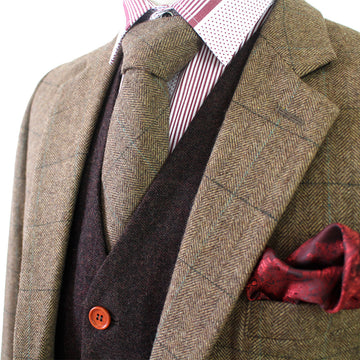
Tweed is known for visible texture and seasonal character.
It is particularly popular during fall and winter and works well for:
- Rustic weddings
- Countryside events
- Smart-casual dressing
- Cooler-weather business casual
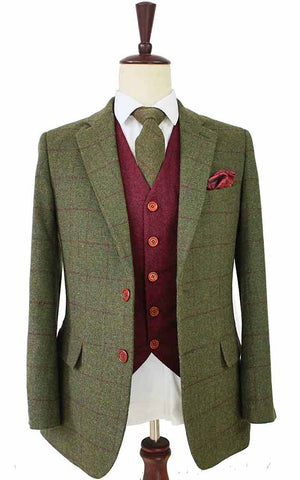
- Three-piece suits
Tweed can appear in herringbone, plaid, overcheck, speckled, barleycorn, and other textured patterns.
Brown, olive, navy, gray, and charcoal are particularly versatile tweed colors.
Worsted Wool
Worsted wool creates a smoother and generally more formal surface than tweed.
It is an excellent choice for:
- Business
- Weddings
- Interviews
- Formal events
- Professional dinners
- Year-round tailoring, depending on weight
Navy, charcoal, gray, dark blue, and black worsted suits provide excellent wardrobe versatility.
Patterns such as birdseye, pinstripe, windowpane, and Prince of Wales check can add visual interest without losing a polished appearance.
Linen
Linen is one of the classic warm-weather tailoring fabrics.
It is lightweight, breathable, naturally textured, and particularly useful for:
- Summer weddings
- Beach ceremonies
- Destination weddings
- Garden parties
- Outdoor celebrations
- Warm climates
Linen naturally creases during wear. That relaxed texture is part of its character.
Beige, light brown, dusty blue, light green, white, navy, and gray are useful linen suit colors.
Cotton-Linen
Cotton-linen combines elements of both fibers.
It can offer more structure than traditional linen while retaining a relaxed warm-weather appearance.
It works particularly well for spring and summer weddings, garden events, destination dressing, and smart-casual tailoring.
Herringbone cotton-linen can add subtle texture without the visual weight of heavier fall fabrics.
Tencel-Linen
Tencel-linen provides another option for warm-weather tailoring.
It is generally chosen for its softer drape and refined feel.
It works well for:
- Summer weddings
- Resort events
- Client-facing occasions
- Evening summer events
- Men who prefer a smoother alternative to classic linen
Corduroy
Corduroy is characterized by visible vertical ridges.
It works particularly well during fall and winter and creates a more relaxed impression than smooth worsted tailoring.
Corduroy suits can be useful for:
- Creative workplaces
- Fall weddings
- Date nights
- Dinner
- Holiday events
- Smart-casual tailoring
Brown, navy, black, and wine-red corduroy are especially effective seasonal options.
Stretch and Tencel-Wool Suiting
Stretch-oriented tailoring can be useful when comfort and movement are priorities.
These fabrics may suit:
- Travel
- Business
- Long events
- Weddings
- Men who move frequently throughout the day
Stretch improves flexibility, but it should not be used to compensate for incorrect suit proportions.
Fit still matters.
3. Suit Patterns & Weaves
Understanding patterns makes it easier to choose a suit that matches your personal style.
Herringbone
Herringbone uses a distinctive V-shaped pattern.
It can appear subtle from a distance while adding texture up close.
Herringbone works particularly well in tweed, wool, cotton-linen, and seasonal tailoring.
Windowpane
Windowpane uses widely spaced horizontal and vertical lines to create large rectangular checks.
It makes more of a visual statement than a solid suit while remaining relatively easy to coordinate when the colors are restrained.
Plaid and Overcheck
Plaid includes intersecting lines and multiple color relationships.
Overcheck typically introduces a larger check over an underlying weave or smaller pattern.
These designs are particularly popular in tweed and fall wedding suits.
Birdseye
Birdseye is a small repeating weave that creates subtle surface texture.
From a distance, it can appear nearly solid, making it a useful choice for business and formal tailoring.
Prince of Wales Check
Prince of Wales check is a classic checked pattern associated with refined tailored clothing.
It can work in full suits or as contrasting trousers within a smart-casual outfit.
Barleycorn
Barleycorn creates a small textured pattern with a slightly irregular appearance.
It is commonly associated with traditional tweed and provides considerable texture without requiring a large check.
4. Understanding Suit Styles
What Is a Two-Piece Suit?
A two-piece suit consists of a matching jacket and trousers.
It is the simplest and most versatile traditional suit format.
Two-piece suits work particularly well for:
- Business
- Interviews
- Wedding guests
- Cocktail events
- Everyday formalwear
What Is a Three-Piece Suit?
A three-piece suit includes:
Jacket + waistcoat + matching trousers
The waistcoat adds formality and provides additional styling options.
Three-piece suits are especially popular for:
- Grooms
- Weddings
- Fall and winter events
- Formal occasions
- Men who enjoy traditional tailoring
You can also remove the waistcoat and wear the suit as a two-piece.
What Is a Tuxedo?
A tuxedo is evening formalwear traditionally associated with black-tie dress codes.
It is distinguished from an ordinary suit by formal details that may include satin or grosgrain on the lapels, formal trouser finishing, and specific shirt, bow-tie, and footwear conventions.
If an invitation says Black Tie, a tuxedo is generally the correct direction rather than a standard business suit.
What Is a Smart Casual Suit?
Smart casual tailoring allows greater freedom with color and texture.
Instead of a completely matching suit, you may combine:
- A tweed jacket with contrasting trousers
- Navy with gray
- Brown with beige
- Wine red with dark blue
- Tweed with corduroy
This approach works particularly well for restaurants, dates, creative offices, smart-casual weddings, and weekend events.
5. Suits by Occasion
Related reading: Wedding suit color guide · Suit vs. tuxedo guide
What Suit Should a Groom Wear?
The correct groom’s suit depends on the wedding dress code, venue, season, and time of day.
Navy remains one of the most versatile choices.
For summer, beige, light blue, and light brown linen can work beautifully.
For fall, brown tweed, olive, forest green, navy, and charcoal become especially effective.
For highly formal evening weddings, a dark formal suit or tuxedo may be more appropriate.
A three-piece suit is particularly useful for grooms because the waistcoat helps distinguish the groom and keeps the outfit looking polished after the jacket is removed.
What Should a Wedding Guest Wear?
Start with the invitation.
Dress codes may include:
- Black tie
- Formal
- Cocktail
- Semi-formal
- Smart casual
- Beach formal
Avoid dressing more formally than the groom unless the dress code specifically requires it.
Navy, gray, blue, brown, and green can all work depending on the season and venue.
What Suit Should You Wear for Business?
For traditional professional environments, start with:
- Navy worsted
- Charcoal worsted
- Medium gray
- Dark blue
Subtle birdseye, pinstripe, or Prince of Wales patterns can add character while maintaining a professional appearance.
Creative and business-casual environments allow more freedom with tweed, smart casual separates, brown, green, and textured fabrics.
What Should You Wear to a Job Interview?
When in doubt, keep the outfit simple.
A navy or charcoal suit with a white or light-blue shirt and conservative leather shoes works across many professional environments.
The goal is to look prepared and polished rather than memorable for an unusual fashion choice.
What Should You Wear to Dinner or a Date?
A full business suit may feel unnecessarily formal.
Consider:
- Smart casual separates
- Corduroy
- Tweed jacket with contrasting trousers
- Knit polo with tailored trousers
- Open-collar shirt
- Loafers or suede shoes
Wine red, navy, gray, brown, and black work particularly well for evening outfits.
6. Suits by Season
Related reading: Fall suit styling guide
Spring
Spring tailoring can use:
- Lightweight worsted
- Cotton-linen
- Tencel-linen
- Light herringbone
- Medium blue
- Light gray
- Sage
- Soft brown
Summer
Summer is the natural season for:
- Linen
- Cotton-linen
- Tencel-linen
- Lightweight worsted
Useful colors include beige, sand, light blue, dusty blue, white, gray, and softer green shades.
Fall
Fall allows greater texture and layering.
Consider:
- Tweed
- Herringbone
- Corduroy
- Worsted wool
- Three-piece suits
Strong colors include brown, olive, forest green, navy, charcoal, burgundy, and rust.
Winter
Winter supports heavier visual texture and deeper colors.
Consider:
- Tweed
- Corduroy
- Worsted wool
- Three-piece suits
- Dark formal tailoring
Useful colors include charcoal, dark navy, brown, forest green, black, and burgundy.
7. Made-to-Measure, Bespoke & Off-the-Rack
Related reading: How BDtailormade tailoring works
These terms are often confused.
What Is Off-the-Rack?
Off-the-rack suits are produced in predetermined standard sizes.
You select the closest available size and arrange alterations if necessary.
This is generally the fastest way to purchase a suit.
What Is Made-to-Measure?
Made-to-measure tailoring uses an established tailoring system that is adjusted around the customer’s individual measurements and selected preferences.
Depending on the maker, customers may choose details such as:
- Fabric
- Color
- Lapels
- Buttons
- Lining
- Waistcoat
- Trouser details
BDtailormade offers standard sizing as well as custom measurement options for customers who want the garment created around their submitted measurements.
What Is Bespoke?
Traditional bespoke tailoring is a more individualized process.
A bespoke tailor typically creates an individual pattern specifically for the customer and conducts multiple fittings during construction.
Bespoke and made-to-measure are therefore not exactly the same thing.
The right option depends on your budget, timing, fit needs, and how involved you want to be in the tailoring process.
8. Suit Customization
Customization allows you to change the character of a suit without changing the entire outfit.
Lapel Styles
Notch Lapel
The most versatile option.
It works across business, weddings, and everyday tailoring.
Peak Lapel
Peak lapels point upward toward the shoulders and create a stronger, more formal appearance.
They work particularly well on statement suits, formal wedding suits, and double-breasted jackets.
Jacket Buttons
Button configuration changes the visual proportions of the jacket.
One-button designs create a cleaner minimalist front, while traditional two- and three-button arrangements provide different levels of structure.
Jacket Vents
Vents influence both movement and the appearance of the back of the jacket.
Double vents are common in modern tailoring, while single vents create a simpler back profile.
Waistcoat Options
A waistcoat can dramatically change the personality of a three-piece suit.
Options may include:
- Traditional single-breasted
- Double-breasted
- Lapelled waistcoat
- Scoop front
- Full-fabric back
Trouser Details
Turn-ups can add weight and traditional character to the trouser hem.
Other details should be selected according to the overall formality and intended use of the suit.
9. How to Choose Your First Suit
If you are buying your first serious suit, prioritize versatility.
A navy or charcoal worsted suit is difficult to beat.
These colors can work for:
- Weddings
- Business
- Interviews
- Formal dinners
- Graduations
- Celebrations
If you prefer greater flexibility, consider a three-piece suit.
You can wear all three pieces for formal occasions and remove the waistcoat for everyday use.
After the first versatile suit, add seasonal options such as:
- Brown tweed
- Linen
- Corduroy
- Green
- Checked tailoring
- Smart casual separates
10. Suit Care & Ownership
A suit lasts longer when it is given time to recover between wears.
Avoid unnecessary cleaning after every use.
Instead, allow the suit to air after wearing and use a suitable hanger that supports the jacket shoulders.
Follow the garment’s care label for cleaning.
Gentle steaming can help reduce wrinkles in appropriate fabrics, while linen should be expected to develop some natural creasing.
When traveling, use a garment bag when practical and unpack the suit soon after arrival.
Future BDtailormade Knowledge Base guides will cover suit cleaning, steaming, storage, travel, and long-term care in greater detail.
11. Quick Suit Buying Checklist
Before ordering a suit, confirm:
- What is the occasion?
- What is the dress code?
- What season will you wear it in?
- Which fabric suits the climate?
- Which color will be easiest to coordinate?
- Do you want two pieces or three?
- Does standard sizing suit your proportions?
- Would custom measurements be more appropriate?
- Which customization details matter to you?
- When do you need the suit?
These questions will eliminate most unsuitable options before you begin comparing individual products.
12. Explore BDtailormade Suit Guides
Use the Knowledge Base as a starting point, then continue into the guide that matches your question.
Suit Fit & Measurements
Learn how the jacket, waistcoat, and trousers should fit and how to submit accurate measurements.
Read the Fit Guide
Wedding Suits
Explore groom attire, wedding colors, two-piece vs. three-piece suits, and ordering timelines.
Read the Groom’s Guide
Seasonal Suit Guides
Learn which fabrics and colors work best in spring, summer, fall, and winter.
Explore the Fall Suit Guide
Suit Fabrics
Compare tweed, worsted, linen, cotton-linen, Tencel-linen, corduroy, and stretch tailoring.
Explore Tweed Suits
Smart Casual Tailoring
Learn how to mix jackets and trousers for work, dinner, weddings, and weekends.
Explore the Style Journal
Formalwear & Tuxedos
Understand when a tuxedo is appropriate and how black-tie dressing differs from an ordinary suit.
Read Suit vs. Tuxedo
Custom Measurements
Use the BDtailormade measurement guide to submit the body measurements required for made-to-order tailoring.
Open Measurement Guide
Suit Customization
Compare lapels, waistcoat options, buttons, vents, trouser details, and other ways to personalize your suit.
Frequently Asked Questions
What Suit Should Every Man Own?
For maximum versatility, start with a navy or charcoal suit in a refined fabric such as worsted wool. Both colors work across business, weddings, interviews, and formal events.
Is a Three-Piece Suit More Formal Than a Two-Piece Suit?
Generally, yes. The additional waistcoat creates a more complete and traditional appearance. However, fabric and styling still affect the overall formality.
What Is the Best Suit Fabric?
There is no single best fabric. Worsted wool offers broad versatility, linen works particularly well in warm weather, and tweed or corduroy are excellent cooler-weather options.
What Is the Best Suit for a Wedding?
The best wedding suit depends on the dress code, season, venue, and whether you are the groom or a guest. Navy is highly versatile, while linen suits suit summer weddings and tweed suits work particularly well in fall.
Should a Groom Wear a Three-Piece Suit?
A three-piece suit is an excellent choice for many grooms because the waistcoat adds distinction and keeps the outfit polished after the jacket is removed.
What Is the Difference Between Made-to-Measure and Bespoke?
Made-to-measure generally adapts an established tailoring system to the customer’s measurements. Traditional bespoke tailoring typically involves an individually created pattern and multiple fitting stages.
Can I Measure Myself for a Custom Suit?
Yes. Follow the provided measurement instructions carefully and ask another person to help where possible, especially with shoulders and sleeve length.
Should I Add Extra Inches to My Measurements?
No, not when you are asked for actual body measurements. Submit the measurements requested by the tailor rather than adding your own allowance.
Can You Wear Tweed to a Wedding?
Yes. Tweed works especially well for fall, winter, rustic, countryside, and less formal weddings.
Can You Wear Linen to a Wedding?
Yes. Linen is particularly suitable for summer, beach, garden, and destination weddings when the dress code permits it.
Can a Suit Jacket and Trousers Be Different Colors?
Yes. This is often called wearing tailored separates or mix-and-match tailoring. Use clearly complementary colors and keep the level of formality consistent between the pieces.
What Is the Difference Between a Suit and a Tuxedo?
A tuxedo is formal eveningwear and usually includes distinctive formal details such as satin or grosgrain lapels. A standard suit is more versatile across business, weddings, and everyday formal occasions.
How Early Should I Order a Wedding Suit?
For most grooms, planning several months ahead is more comfortable than ordering at the last minute. This leaves time for measurements, production, delivery, fitting, and any final adjustments.
How Do I Know if My Suit Is Too Tight?
Warning signs include strong pulling around the jacket button, lapels bowing away from the chest, waistcoat buttons straining, trouser pockets flaring, or difficulty sitting and moving comfortably.
Where Should I Start if I Am New to Suits?
Start with three decisions: the occasion, the fabric, and the fit.
Then choose a versatile color and decide whether standard sizing or custom measurements better suit your proportions.
Your Suit, Your Fit, Your Occasion
A suit is easier to choose when you understand why each detail exists.
Fabric determines more than appearance. Fit determines more than size. A waistcoat changes more than formality. The correct suit for a summer beach wedding may be completely different from the correct suit for a winter business event.
The goal of the BDtailormade Men’s Suit Knowledge Base is to make those decisions easier.
Explore the guides, compare fabrics, understand your measurements, and choose tailoring that suits both your body and the occasion.
Whether you are preparing for a wedding, building a professional wardrobe, attending a formal event, or simply discovering a more personal approach to menswear, start with the knowledge—and then choose the suit.