









The Complete Groom’s Guide to Choosing a Wedding Suit in 2026
Choosing your wedding suit is about more than finding an outfit that looks good for a few hours.
It is about selecting clothing that fits the formality of the occasion, complements the venue, feels comfortable throughout the day, photographs well, and reflects your personal style.
The best groom's suit should make you look distinct without making you feel like you are wearing a costume. It should coordinate with the wedding party without causing you to disappear into the group.
Whether you are planning a formal ballroom wedding, a relaxed beach ceremony, a garden reception, a rustic barn celebration, or an intimate courthouse wedding, this guide will help you choose the right suit, fabric, color, fit, and accessories.
What Suit Should a Groom Wear?
A groom should wear a suit or tuxedo that matches the wedding dress code, venue, season, time of day, and desired level of formality.
A tuxedo is the traditional choice for a black-tie evening wedding. A dark wool suit works well for formal and cocktail celebrations. Linen, cotton-linen, and other lightweight suits are suitable for beach, garden, destination, and warm-weather ceremonies.
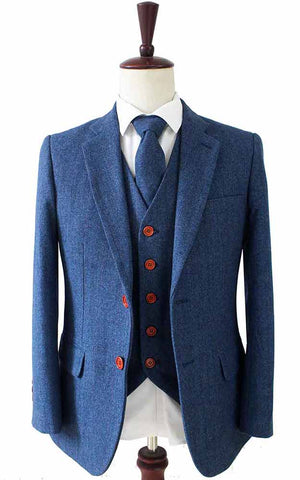
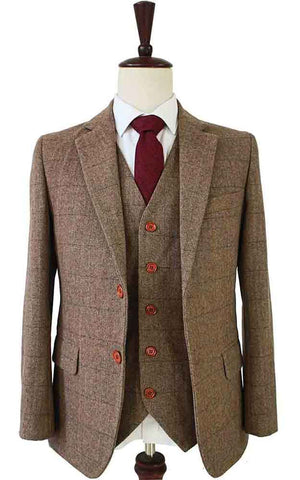
For many grooms, a three-piece made-to-measure suit provides an ideal balance of distinction, versatility, and formality.
The vest helps the groom stand out during the ceremony and keeps the outfit looking complete after the jacket is removed.
Start With the Wedding Dress Code
The dress code should guide the first stage of your decision. It establishes how formal your outfit needs to be and helps prevent your suit from looking too casual or unnecessarily formal.
Black Tie
A black-tie wedding traditionally calls for a tuxedo.
Choose a black or midnight-blue tuxedo with satin or grosgrain lapel details, a formal white shirt, a black bow tie, and polished black shoes.
A waistcoat or formal low-cut vest can add structure, although the overall outfit should remain clean and restrained.
Black tie is most appropriate for evening ceremonies, luxury hotels, ballrooms, historic venues, and elegant city weddings.
Black-Tie Optional
Black-tie optional gives the groom more flexibility.
You can wear a tuxedo or choose a highly polished dark suit. A navy, charcoal, or black three-piece suit can be appropriate when styled with a white dress shirt, formal tie or bow tie, and dark leather shoes.
The groom should still appear more formal than a typical wedding guest.
Formal
A formal wedding usually allows a dark two-piece or three-piece suit.
Navy, charcoal, deep blue, or dark brown can all work depending on the venue and season. A tuxedo may also be appropriate for an evening formal wedding, but it is not always required.
Cocktail
Cocktail attire calls for a tailored suit with polished accessories.
Medium blue, navy, gray, dark green, and subtle patterns can work well. A three-piece suit can help the groom stand out, while the groomsmen wear coordinating two-piece suits.
Semi-Formal
A semi-formal wedding allows more color, texture, and seasonal expression.
Linen, cotton-linen, worsted wool, herringbone, and softly textured fabrics can all be considered. The outfit should still look intentional and tailored, even when the setting is relaxed.
Beach Formal
Beach formal does not mean casual beachwear.
The groom can wear a beige, sand, light blue, soft green, gray, or white linen suit with a lightweight dress shirt and loafers.
A tie may be optional depending on the invitation, but the clothing should remain polished.
Classic Black Tuxedo Worsted 3 Piece Suit
A traditional black wedding tuxedo with a formal three-piece design for evening ceremonies, ballrooms, hotels, and black-tie receptions.
View Black Tuxedo →Dark Blue Tuxedo Tencel Wool 3 Piece Suit
A refined dark-blue tuxedo for grooms who want traditional evening formality with a softer alternative to solid black.
View Dark Blue Tuxedo →Wedding Suit or Tuxedo?
The difference between a suit and a tuxedo is not limited to color.
A tuxedo usually includes formal satin or grosgrain details on the lapels, buttons, and trousers. It is traditionally worn with a formal shirt, bow tie, and black dress shoes.
A suit is more flexible. It can be worn with a standard dress shirt, necktie, bow tie, knit tie, or open collar, depending on the dress code.
Choose a Tuxedo When
- The invitation states black tie
- The ceremony takes place in the evening
- The reception is held in a formal ballroom or luxury hotel
- The wedding style is traditional and elegant
- You want the highest level of conventional formality
Choose a Wedding Suit When
- The wedding takes place during the day
- The ceremony is held outdoors
- The venue is a beach, garden, vineyard, barn, or resort
- The dress code is formal, cocktail, semi-formal, or beach formal
- You want to wear the outfit again after the wedding
- You prefer more choice in fabric, color, and texture
Which Option Offers Better Rewear Value?
A traditional suit usually offers greater long-term versatility.
A navy, gray, brown, or medium-blue wedding suit can later be worn to business meetings, dinners, graduations, interviews, and other weddings. The jacket, vest, and trousers may also be styled separately.
A tuxedo has fewer everyday uses, but it can be valuable if you regularly attend black-tie events, galas, formal dinners, or evening weddings.
Two-Piece or Three-Piece Wedding Suit?
A two-piece suit includes a jacket and matching trousers. A three-piece suit adds a matching or coordinating vest.
Both options can work for a groom, but they create different impressions.
Why Choose a Two-Piece Suit?
- Lighter in hot weather
- Comfortable for outdoor ceremonies
- Appropriate for relaxed and semi-formal weddings
- Easy to wear again after the wedding
- Flexible for travel and destination events
It is often the most practical choice for beach weddings, courthouse ceremonies, and celebrations where the groom prefers a clean, understated appearance.
Why Choose a Three-Piece Suit?
- More distinctive
- More ceremonial
- Effective for formal wedding photography
- Useful for separating the groom from the groomsmen
- Polished even after the jacket is removed
- Well suited to fall, winter, hotel, and traditional weddings
The vest creates an additional visual layer and helps the outfit remain intentional during the reception.
Is a Three-Piece Suit Too Hot for Summer?
Not necessarily.
A summer three-piece suit can work when it is made from linen, cotton-linen, Tencel-linen, or another lightweight fabric.
Wear the complete suit during the ceremony and formal photographs, then remove the jacket during the reception.
The fabric, lining, fit, and weather conditions matter more than the number of pieces alone.
How to Choose a Wedding Suit by Season
Season affects fabric weight, color, texture, and the number of layers you can comfortably wear.
Spring Wedding Suits
Spring suits should feel fresh without looking overly summery.
Good fabric choices include:
- Lightweight worsted wool
- Cotton-linen
- Medium-weight wool
- Subtle herringbone
- Lightly textured blends
Strong colors include medium blue, light gray, sage green, tan, navy, and soft brown.
Because spring weather can change quickly, choose a fabric that works both indoors and outdoors.
Summer Wedding Suits
Summer requires breathable fabrics and comfortable construction.
Consider:
- Pure linen
- Cotton-linen
- Tencel-linen
- Lightweight worsted wool
- Partially lined jackets
Popular summer colors include beige, sand, light blue, light gray, cream, soft green, and light brown.
Navy and dark blue are better suited to evening ceremonies or more formal venues.
Avoid an excessively tight fit. A clean silhouette with comfortable room through the chest and thighs will feel better throughout a long, warm day.
Beige 3 Piece Linen Suit
A breathable light-colored linen suit for beach ceremonies, garden weddings, resorts, and warm-weather destination celebrations.
View Beige Linen Suit →Light Blue Herringbone Cotton Linen Suit
A fresh light-blue wedding suit with subtle texture for garden ceremonies, daytime receptions, and destination weddings.
View Light Blue Suit →Light Green Herringbone Cotton Linen Suit
A soft green textured suit that complements natural venues, outdoor ceremonies, botanical settings, and spring wedding palettes.
View Light Green Suit →Fall Wedding Suits
Fall is ideal for richer colors and textured fabrics.
Consider:
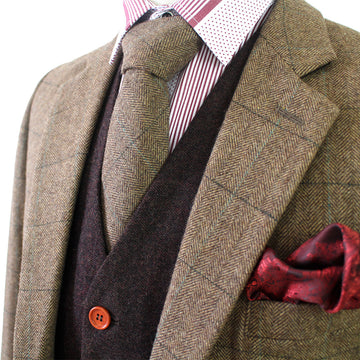
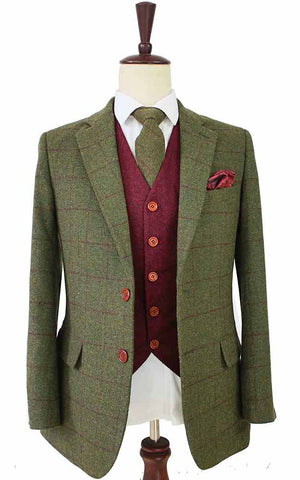
- Tweed
- Herringbone
- Worsted wool
- Plaid
- Subtle checks
- Heavier cotton blends
Strong fall colors include brown, olive green, navy, charcoal, burgundy, rust, and earthy neutrals.
A three-piece suit works especially well during fall because the vest adds depth and complements textured fabrics.
Winter Wedding Suits
Winter allows the groom to choose heavier, more formal tailoring.
Consider:
- Tweed
- Heavier worsted wool
- Dark herringbone
- Textured wool blends
- Formal tuxedo cloth
Strong winter colors include charcoal, black, midnight blue, deep green, burgundy, and dark brown.
A three-piece suit or tuxedo is often appropriate for winter weddings, particularly when the ceremony takes place in a hotel, church, historic property, or formal city venue.
Navy Pinstripe Tweed 3 Piece Suit
A textured navy tweed suit for autumn ceremonies, rustic venues, historic properties, and cooler outdoor weddings.
View Navy Tweed Suit →Navy Corduroy 3 Piece Suit
A distinctive textured option for winter celebrations, barn weddings, country venues, and relaxed formal ceremonies.
View Navy Corduroy Suit →How to Choose a Wedding Suit for the Venue
The venue creates the visual environment around your suit. Your outfit should complement it rather than compete with it.
Beach Wedding
Choose lightweight linen, cotton-linen, or Tencel-linen.
Beige, sand, ivory, light blue, pale gray, and soft green work naturally near the ocean. Brown or tan loafers are usually more appropriate than heavy black shoes.
A two-piece suit offers maximum comfort, while a breathable three-piece suit gives the groom a more formal presence.
Garden Wedding
Garden settings work well with soft colors and natural textures.
Consider light brown, green, blue, beige, gray, or subtle herringbone. Linen and cotton-linen are ideal for warm weather, while lightweight wool is useful in spring or early fall.
Barn or Rustic Wedding
Rustic venues complement textured tailoring.
Tweed, herringbone, plaid, brown, olive green, navy, and burgundy can all work well.
A three-piece suit is especially effective because the vest reinforces the traditional, layered character of the setting.
Hotel or Ballroom Wedding
A formal hotel or ballroom calls for a sharper silhouette.
Choose a tuxedo, midnight-blue suit, navy three-piece suit, charcoal suit, or black formal suit. Keep the shirt, shoes, and accessories polished.
City Wedding
A city wedding allows for modern tailoring.
Navy, medium blue, charcoal, black, dark green, and pinstripes can all work. Choose cleaner lines and fewer rustic details than you might wear at a barn or country venue.
Courthouse Wedding
A courthouse ceremony usually calls for understated elegance.
A well-fitted navy, gray, medium-blue, or brown two-piece suit is an excellent choice. Add a vest when you want a slightly more ceremonial look.
Destination Wedding
Destination weddings require careful attention to climate, luggage, and travel time.
Choose a fabric that feels comfortable at the location and can recover after packing. Linen, cotton-linen, Tencel-linen, and lightweight wool are useful options.
Select a color that works with the destination, but avoid choosing a dramatic shade that you will never wear again unless that is part of your personal vision.
The Best Groom Suit Colors
Color affects formality, seasonality, photography, and rewear value.
Navy
Navy is the most versatile groom suit color.
It works during every season and can be adapted to daytime, evening, city, garden, and hotel weddings. It also coordinates easily with most wedding palettes.
Medium Blue
Medium blue feels modern and approachable.
It is especially effective during spring and summer and works well for outdoor, destination, and cocktail weddings.
Charcoal Gray
Charcoal is formal, understated, and refined.
It works well during fall and winter and is suitable for churches, hotels, ballrooms, and traditional evening weddings.
Light Gray
Light gray is a strong choice for spring, summer, garden, and daytime ceremonies.
It pairs easily with white, pale blue, pink, lavender, sage, and burgundy accessories.
Black
Black is most effective for formal evening weddings, tuxedos, and modern city celebrations.
A standard black business-style suit may look less festive during a daytime wedding, so fabric and styling are important.
Beige and Sand
Beige and sand are natural choices for beach, garden, summer, and destination weddings.
They pair well with white, cream, pale blue, soft green, and brown accessories.
Brown
Brown works especially well for rustic, fall, countryside, and outdoor weddings.
Light brown feels relaxed and seasonal, while dark brown creates a richer, more formal appearance.
Green
Green has become a distinctive alternative to blue and gray.
Sage works well during spring and summer. Olive and forest green are stronger choices for fall and winter.
Burgundy
Burgundy creates a bold and romantic look.
It is best suited to fall, winter, evening, and formal celebrations. Because it is visually strong, keep the shirt and accessories restrained.
Navy Worsted 3 Piece Suit
A classic navy three-piece suit for formal weddings, courthouse ceremonies, hotel receptions, and future business or social use.
View Navy Worsted Suit →Grey Blue Worsted 3 Piece Suit
A balanced blue-gray color for modern ceremonies, daytime weddings, city venues, cocktail receptions, and easy rewear.
View Grey Blue Suit →Should the Groom Match the Wedding Colors?
The groom should coordinate with the wedding palette, not copy it exactly.
Wearing the exact same color as the flowers, bridesmaid dresses, table linens, and decorations can make the outfit look overly coordinated.
Instead, use the wedding colors through smaller elements such as:
- The tie or bow tie
- Pocket square
- Vest
- Boutonniere
- Socks
- Jacket lining
- Cuff links
The suit should provide the foundation, while accessories connect it to the wider wedding design.
How Should the Groom Stand Out From the Groomsmen?
The groom and groomsmen should look connected, but the groom should remain visually distinct.
Option One: Groom in a Three-Piece Suit
The groom wears a vest while the groomsmen wear matching two-piece suits.
This is one of the easiest ways to create a clear hierarchy without changing the main suit color.
Option Two: Different Vest
Everyone wears three-piece suits, but the groom chooses a contrasting or specially textured vest.
Option Three: Different Suit Shade
The groom wears a darker or lighter version of the groomsmen's color.
For example, the groom may wear navy while the groomsmen wear medium blue.
Option Four: Different Accessories
Use a different tie, bow tie, pocket square, boutonniere, lapel style, or shirt detail.
Option Five: Same Color, Different Fabric
The groom can wear a more refined or textured version of the same color.
For example, the groom may wear a navy herringbone three-piece suit while the groomsmen wear simple navy two-piece suits.
How Should a Groom's Wedding Suit Fit?
Fit determines whether the suit looks refined or uncomfortable.
A wedding suit should follow your proportions without pulling, collapsing, or restricting movement.
Shoulders
The jacket shoulder should end close to your natural shoulder. The fabric should sit smoothly without deep dents, overhang, or excessive padding.
Chest
The jacket should close comfortably without creating an X-shaped pull around the button.
You should be able to breathe, move your arms, and sit without feeling restricted.
Waist
The jacket waist should create definition without looking tight.
A groom's suit should flatter the body, not compress it.
Sleeves
The jacket sleeve should allow a small amount of shirt cuff to remain visible.
Both sleeves should appear balanced in photographs.
Jacket Length
The jacket should provide appropriate coverage and create balanced proportions.
Avoid an extremely short jacket unless you deliberately want a fashion-forward, casual look.
Vest
A vest should cover the waistband of the trousers so that the shirt does not show between the two garments.
It should sit close to the body without pulling across the buttons.
Trousers
The trousers should remain comfortable through the waist, seat, and thighs.
The leg can be tapered, but it should not cling tightly. Make sure you can sit, walk, dance, and climb stairs comfortably.
Trouser Length
Choose a clean trouser break that complements your shoes and personal style.
An excessively long trouser can bunch around the ankle, while an overly short trouser may look too casual for a formal wedding.
Why Choose a Made-to-Measure Wedding Suit?
A made-to-measure suit allows the garment to be created around your measurements and styling preferences.
This can be especially valuable for a wedding because the outfit needs to look consistent from multiple angles and remain comfortable for many hours.
Customizable details may include:
- Lapel style
- Button configuration
- Jacket lining
- Pocket style
- Vent style
- Vest design
- Trouser rise
- Trouser taper
- Fit preference
- Fabric and color
A made-to-measure suit also gives the groom an opportunity to create something personal rather than adapting to the limited colors and proportions available in standard retail sizing.
View the Custom Measurement Guide →
When Should You Order a Custom Wedding Suit?
Start the process as early as possible.
A comfortable planning window is approximately three to four months before the wedding. This allows time for selecting the suit, taking measurements, production, shipping, trying on the completed garment, and handling any adjustments.
Four to Six Months Before the Wedding
Begin researching colors, fabrics, and dress codes.
Decide whether the groom will wear a suit or tuxedo and whether the groomsmen will order coordinating outfits.
Three to Four Months Before the Wedding
Place the order and submit measurements.
Confirm the fabric, lapel, vest, lining, buttons, trousers, and other customization details.
Six to Eight Weeks Before the Wedding
Try on the suit after it arrives.
Wear the intended shirt and shoes so you can evaluate the full proportions.
Three to Four Weeks Before the Wedding
Complete any local alterations if required.
Avoid major changes in footwear or shirt style after the trouser and sleeve lengths have been finalized.
One Week Before the Wedding
Try on the complete outfit again.
Check the suit, shirt, shoes, tie, pocket square, socks, cuff links, and boutonniere plan.
Waiting until the final weeks creates unnecessary pressure. Earlier ordering provides more flexibility and reduces the risk of rushed decisions.
How to Take Measurements for a Wedding Suit
Follow the measurement instructions carefully and use exact body measurements rather than adding extra room yourself.
A tailor will use those measurements to create the necessary fit and comfort allowance.
Important measurements commonly include:
- Neck
- Shoulder width
- Sleeve length
- Biceps
- Wrist
- Chest
- Stomach
- Waist
- Hips
- Jacket length
- Trouser length
- Thigh
Ask another person to assist whenever possible. Keep the measuring tape level and avoid pulling it excessively tight.
Wear light clothing while measuring and stand naturally. Do not hold your breath, expand your chest, or change your posture to influence the numbers.
Wedding Shirts and Accessories
Wedding Suit Shirts
A white dress shirt is the most versatile option for a groom.
It creates a clean base and works with nearly every suit color. Light blue, ivory, cream, and subtle patterns may also be appropriate depending on the suit and wedding style.
For formal weddings, choose a long-sleeve dress shirt with a structured collar.
For beach and destination weddings, a lightweight cotton or linen shirt can create a softer appearance. However, the shirt should still fit properly and remain neat.
Wedding Ties and Bow Ties
A necktie is versatile and works with most suits.
A bow tie feels more ceremonial and is traditionally worn with a tuxedo. It can also be worn with a three-piece suit when the wedding style supports it.
Consider the lapel width, shirt collar, and your facial proportions when choosing the width and scale of the neckwear.
Avoid matching the tie, pocket square, and vest in exactly the same fabric. Coordination usually looks more sophisticated than exact duplication.
Wedding Shoes
The shoes should match the formality of the suit and venue.
Black Shoes
Black Oxfords or other polished black dress shoes work well with tuxedos, black suits, charcoal suits, and formal navy suits.
Dark Brown Shoes
Dark brown works with navy, blue, gray, brown, and many green suits.
Tan or Cognac Shoes
Tan and cognac are strong choices for beige, light blue, light gray, green, and summer suits.
Loafers
Leather or suede loafers can work for beach, destination, garden, and cocktail weddings.
Avoid shoes that are visibly worn, uncomfortable, or completely new on the wedding day. Break them in before the ceremony.
Pocket Squares, Cuff Links, and Boutonnieres
Small accessories can help distinguish the groom.
A white pocket square is formal and versatile. A muted pattern or wedding-color accent can add personality.
Cuff links work particularly well with formal shirts and evening outfits. They can also carry sentimental meaning.
The boutonniere should coordinate with the wedding flowers without overwhelming the lapel. Make sure it is attached securely and positioned correctly before photographs begin.
Should the Groom Wear a Belt?
A belt is acceptable with a two-piece suit when it matches the shoes.
With a three-piece suit, side adjusters or trousers designed without a belt can create a cleaner line beneath the vest. A bulky belt buckle may show through the vest or disrupt its fit.
Suspenders can also be used, but they should remain hidden beneath the vest and jacket.
Common Groom Suit Mistakes
Ordering Too Late
A rushed timeline limits fabric choices and leaves less time for adjustments.
Ignoring the Dress Code
A linen beach suit may look out of place at a black-tie ballroom wedding. A tuxedo can feel unnecessarily formal at a relaxed daytime ceremony.
Choosing Color From a Screen Alone
Colors can appear different under natural light, indoor lighting, and photography. Consider the venue and surrounding wedding palette.
Wearing an Overly Tight Suit
A tight suit may look sleek while standing still but become uncomfortable when sitting, dancing, and moving throughout the day.
Matching the Groomsmen Exactly
The wedding party should coordinate, but the groom needs at least one distinctive detail.
Ignoring the Season
Heavy fabric can become uncomfortable in summer, while an extremely lightweight suit may look out of place during a formal winter wedding.
Forgetting Rewear Value
A bold suit can be memorable, but consider whether you want to wear it again. Navy, gray, medium blue, brown, and dark green are often easier to reuse.
Overloading the Outfit With Accessories
A patterned suit, bold vest, bright tie, colorful pocket square, statement shoes, and large boutonniere can compete for attention.
Choose one or two focal details and keep the rest balanced.
Changing Weight or Measurements Without Updating the Tailor
Notify the tailor when your body measurements change significantly after ordering.
Skipping the Final Try-On
Wear the full outfit before the wedding. Do not assume every separate item will work together perfectly.
The Groom's Final Wedding Suit Checklist
Before the wedding, confirm the following:
- The dress code matches the suit
- The fabric suits the season
- The color complements the venue
- The groom stands out from the groomsmen
- The jacket closes smoothly
- The vest covers the waistband
- The trousers feel comfortable when sitting
- The shirt collar and cuffs fit correctly
- The tie or bow tie is prepared
- The pocket square is folded
- The shoes are polished and broken in
- The socks are appropriate
- The boutonniere placement is planned
- The suit has been steamed or pressed correctly
- A backup shirt is available
- The complete outfit has been photographed during the final fitting
Final Thoughts: Choose a Wedding Suit That Feels Like You
The best wedding suit is not automatically the most formal, expensive, colorful, or traditional option.
It is the suit that fits your body, suits the setting, respects the dress code, and makes you feel confident throughout one of the most photographed days of your life.
Choose a tuxedo for black-tie formality. Choose worsted wool for a polished, versatile appearance. Choose linen, cotton-linen, or Tencel-linen for warm-weather comfort.
Select a three-piece suit when you want added distinction, or a two-piece suit when simplicity and flexibility matter most.
Most importantly, begin early and make decisions based on the entire wedding rather than selecting each detail separately.
Frequently Asked Questions
Should the groom wear a different suit from the groomsmen?
Does the groom have to wear a tuxedo?
What is the most versatile groom suit color?
Should a groom wear a three-piece suit?
How early should a wedding suit be ordered?
Can a groom wear a linen suit?
Should the groom match the wedding colors exactly?
Can a wedding suit be worn again?
Is a two-piece or three-piece suit better for a summer wedding?
What shoes should a groom wear with a navy suit?
Can the groom wear a different color vest?
Should the groom wear a tie or bow tie?
Create Your Wedding Suit
Explore made-to-measure wedding suits, tuxedos, linen suits, cotton-linen suits, tweed suits, and worsted tailoring designed around your measurements, venue, season, and personal style.